Demolition Projects Made Easy With Roll-Off Dumpsters
Summary: Easy Demolition with Dumpster Rentals is the simplest way to keep a home teardown or removal project safe, organized, and on schedule. This guide explains how homeowners can plan a small demolition project, choose the right roll-off container, load debris correctly, and avoid common cleanup delays.
If you want to simplify the entire process, start by reviewing container options on the
Dumpster Rentals page,
Roll-Off Dumpsters Make Demolition Easier
1) You Keep the Work Area Cleaner and Safer
Piles of debris lead to trips, punctures, and messy work zones. A roll-off container gives you one controlled place for waste. This improves footing and reduces clutter around doors, driveways, and walkways.
2) You Save Time by Avoiding Multiple Dump Runs
Many DIY demolition jobs stall because debris has nowhere to go. A roll-off allows you to load as you work. You spend less time hauling, unloading, and reloading.
3) You Get a More Predictable Cleanup Timeline
With scheduled delivery and pickup, cleanup becomes a plan instead of an afterthought. That matters when weather changes or when contractors are lined up for the next phase.
For general guidance on handling construction and demolition debris responsibly, the U.S. EPA provides a helpful overview:
EPA: Sustainable Management of Construction and Demolition Materials
.
Common Home Demolition Projects That Need a Dumpster
If your weekly trash service can’t keep up, a roll-off is usually the right move. These homeowner projects routinely generate more debris than expected:
- Deck removal or partial teardown
- Shed tear-down and cleanup
- Kitchen or bathroom “gut” remodel prep
- Flooring removal (tile, laminate, carpet, underlayment)
- Drywall removal from one or more rooms
- Garage cleanouts and demolition-adjacent cleanup
- Concrete tear-out (steps, small slabs, sidewalk sections)
Step-by-Step Plan for a Clean, Safe Demolition
Step 1: Confirm the Scope and Timeline
Write down what you are removing. List the materials. Set a target start date and end date. This helps you pick the right container and avoid overfilling.
Step 2: Check Permit Requirements Early
Some demolition and placement scenarios require permits, especially if you plan to use public street space. Local rules vary by city. Checking early prevents schedule delays.
Step 3: Choose a Placement Spot That Supports Your Workflow
Put the dumpster where you can load it efficiently. Most homeowners choose a driveway spot with clear access. Leave room for safe walking and wheelbarrow movement.
Step 4: Schedule Delivery When You Are Ready to Load
Have tools ready and demo areas prepped. You want the container on-site when debris starts moving.
Step 5: Load as You Go
Load continuously during demo instead of creating piles first. This keeps the jobsite cleaner and reduces handling time.
How to Choose the Right Dumpster Size
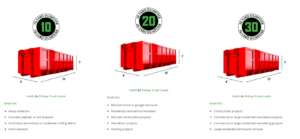
Dumpster size is about two things: volume and weight. Light materials can fill a container quickly. Heavy materials can reach weight limits before the dumpster looks full.
When to Size Up
- You are removing cabinets, drywall, or multiple rooms of materials.
- You are doing a whole-home cleanout alongside demolition.
- You want fewer pickups and less downtime.
When to Size for Weight (Not Volume)
- You are disposing of concrete, brick, block, dirt, or asphalt.
- You expect dense debris from masonry or thick plaster.
For the fastest recommendation, describe your project and materials through the
Contact page.
You can also review container options on the
Dumpster Rentals page.
Loading Rules That Prevent Headaches
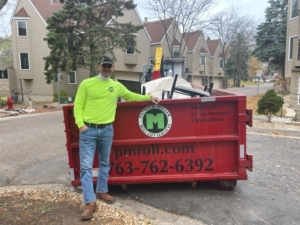
Most homeowner issues come from loading mistakes. A clean load makes pickup easier and avoids last-minute rework.
- Keep debris below the rim. Overfilled containers can delay pickup or require you to remove items.
- Load evenly. Distribute weight from front to back and side to side.
- Start with heavy items. Put heavier debris on the bottom to stabilize the load.
- Break down bulky pieces. Flatten doors and cabinets to maximize space.
- Keep restricted items out. If you have questionable materials, ask first.
For homeowner-friendly disposal guidance, Minnesota residents can reference:
Minnesota Pollution Control Agency: Waste
.
Homeowner Safety Checklist for Small Demolition Projects
Safety is part of “easy.” If the demo becomes hazardous, it stops being efficient.
- Wear eye protection, gloves, and appropriate footwear.
- Use a dust mask or respirator when cutting or removing dusty materials.
- Turn off power and water to affected areas when required.
- Keep kids and pets away from the work zone.
- Lift with legs, not your back. Use dollies and wheelbarrows when possible.
For general safety planning guidance, OSHA’s safety management resources can be helpful:
OSHA: Safety and Health Management
.

“Local business that actually has a pulse. They worked with me when things didn’t go my way, they helped and did it with a freaking smile. Can’t say that about too many other businesses these days. Driver was courteous and very helpful on drop off and pick up. Will do business with them again!”
— Joe, Google Review (5 stars)
FAQ: Demolition Projects Made Easy With Roll-Off Dumpsters

Do I need a dumpster for a small demolition project?
If your demolition creates more debris than your weekly trash service can handle, a roll-off usually saves time and reduces mess. Deck removals, shed tear-downs, flooring removal, and room gut remodel prep are common examples.
What size dumpster should I rent for a deck removal or interior demo?
Deck removals and single-room demos often need a mid-size container, depending on how much framing and decking you remove. If you are doing multiple rooms or adding a cleanout, volume increases quickly. If you want a size recommendation, use the
Contact page
and describe the scope.
Can I put concrete into a roll-off dumpster?
Yes, but concrete is heavy. Containers can reach weight limits fast even if they do not look full. Many homeowners do best with a smaller container and a swap plan for concrete. Ask about the best setup before loading heavy material.
Where should I place the dumpster at my house?
A flat driveway location with clear access is usually best. Keep space open for delivery and pickup. Avoid overhead wires and low branches. Place the dumpster close to where debris exits the house or yard to reduce carrying time.
How do I avoid overfilling the dumpster?
Load evenly and keep everything below the rim. Break down bulky items and stack materials flat. If you think you will exceed the rim, consider a larger container or plan a swap to prevent delays.
Do I need a permit if the dumpster goes on the street?
Often, yes. Permit requirements vary by city. If you must place the container on a public street or right-of-way, check with your local municipality before delivery.
What if my project needs demolition help, not just a dumpster?
You can combine demolition support with a roll-off rental for a cleaner, faster jobsite.
How do I schedule a dumpster with Patrick Miller Roll-Offs?
Review options on the
Dumpster Rentals page,
Sharing your debris type and timeline helps the team recommend the best fit.