From basement cleanouts to renovation debris, a residential dumpster rental reduces trips to the dump and keeps your property organized while work is underway. This category covers the most common homeowner use-cases—cleanouts, remodels, roofing projects—and how to prepare your drop location.

Demolition Projects Made Easy With Roll-Off Dumpsters

Summary: Easy Demolition with Dumpster Rentals is the simplest way to keep a home teardown or removal project safe, organized, and on schedule. This guide explains how homeowners can plan a small demolition project, choose the right roll-off container, load debris correctly, and avoid common cleanup delays.

If you want to simplify the entire process, start by reviewing container options on the
Dumpster Rentals page,

Roll-Off Dumpsters Make Demolition Easier
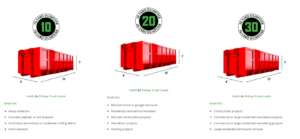
Roll-off dumpster size cheat sheet showing 10, 20, and 30 yard containers and common project uses

1) You Keep the Work Area Cleaner and Safer

Piles of debris lead to trips, punctures, and messy work zones. A roll-off container gives you one controlled place for waste. This improves footing and reduces clutter around doors, driveways, and walkways.

2) You Save Time by Avoiding Multiple Dump Runs

Many DIY demolition jobs stall because debris has nowhere to go. A roll-off allows you to load as you work. You spend less time hauling, unloading, and reloading.

3) You Get a More Predictable Cleanup Timeline

With scheduled delivery and pickup, cleanup becomes a plan instead of an afterthought. That matters when weather changes or when contractors are lined up for the next phase.

For general guidance on handling construction and demolition debris responsibly, the U.S. EPA provides a helpful overview:

EPA: Sustainable Management of Construction and Demolition Materials
.

Common Home Demolition Projects That Need a Dumpster

If your weekly trash service can’t keep up, a roll-off is usually the right move. These homeowner projects routinely generate more debris than expected:

  • Deck removal or partial teardown
  • Shed tear-down and cleanup
  • Kitchen or bathroom “gut” remodel prep
  • Flooring removal (tile, laminate, carpet, underlayment)
  • Drywall removal from one or more rooms
  • Garage cleanouts and demolition-adjacent cleanup
  • Concrete tear-out (steps, small slabs, sidewalk sections)

Step-by-Step Plan for a Clean, Safe Demolition

Step 1: Confirm the Scope and Timeline

Write down what you are removing. List the materials. Set a target start date and end date. This helps you pick the right container and avoid overfilling.

Step 2: Check Permit Requirements Early

Some demolition and placement scenarios require permits, especially if you plan to use public street space. Local rules vary by city. Checking early prevents schedule delays.

Step 3: Choose a Placement Spot That Supports Your Workflow

Put the dumpster where you can load it efficiently. Most homeowners choose a driveway spot with clear access. Leave room for safe walking and wheelbarrow movement.

Step 4: Schedule Delivery When You Are Ready to Load

Have tools ready and demo areas prepped. You want the container on-site when debris starts moving.

Step 5: Load as You Go

Load continuously during demo instead of creating piles first. This keeps the jobsite cleaner and reduces handling time.

How to Choose the Right Dumpster Size

Dumpster size is about two things: volume and weight. Light materials can fill a container quickly. Heavy materials can reach weight limits before the dumpster looks full.

When to Size Up

  • You are removing cabinets, drywall, or multiple rooms of materials.
  • You are doing a whole-home cleanout alongside demolition.
  • You want fewer pickups and less downtime.

When to Size for Weight (Not Volume)

  • You are disposing of concrete, brick, block, dirt, or asphalt.
  • You expect dense debris from masonry or thick plaster.

For the fastest recommendation, describe your project and materials through the
Contact page.
You can also review container options on the
Dumpster Rentals page.

Loading Rules That Prevent Headaches
Full Roll Off Dumpster

Most homeowner issues come from loading mistakes. A clean load makes pickup easier and avoids last-minute rework.

  • Keep debris below the rim. Overfilled containers can delay pickup or require you to remove items.
  • Load evenly. Distribute weight from front to back and side to side.
  • Start with heavy items. Put heavier debris on the bottom to stabilize the load.
  • Break down bulky pieces. Flatten doors and cabinets to maximize space.
  • Keep restricted items out. If you have questionable materials, ask first.

For homeowner-friendly disposal guidance, Minnesota residents can reference:

Minnesota Pollution Control Agency: Waste
.

Homeowner Safety Checklist for Small Demolition Projects

Safety is part of “easy.” If the demo becomes hazardous, it stops being efficient.

  • Wear eye protection, gloves, and appropriate footwear.
  • Use a dust mask or respirator when cutting or removing dusty materials.
  • Turn off power and water to affected areas when required.
  • Keep kids and pets away from the work zone.
  • Lift with legs, not your back. Use dollies and wheelbarrows when possible.

For general safety planning guidance, OSHA’s safety management resources can be helpful:

OSHA: Safety and Health Management
.

Google Reviews logo

“Local business that actually has a pulse. They worked with me when things didn’t go my way, they helped and did it with a freaking smile. Can’t say that about too many other businesses these days. Driver was courteous and very helpful on drop off and pick up. Will do business with them again!”

— Joe, Google Review (5 stars)

FAQ: Demolition Projects Made Easy With Roll-Off Dumpsters

FAQ's Frequently Asked Questions (About Roll Off Dumpsters)

Do I need a dumpster for a small demolition project?

If your demolition creates more debris than your weekly trash service can handle, a roll-off usually saves time and reduces mess. Deck removals, shed tear-downs, flooring removal, and room gut remodel prep are common examples.

What size dumpster should I rent for a deck removal or interior demo?

Deck removals and single-room demos often need a mid-size container, depending on how much framing and decking you remove. If you are doing multiple rooms or adding a cleanout, volume increases quickly. If you want a size recommendation, use the
Contact page
and describe the scope.

Can I put concrete into a roll-off dumpster?

Yes, but concrete is heavy. Containers can reach weight limits fast even if they do not look full. Many homeowners do best with a smaller container and a swap plan for concrete. Ask about the best setup before loading heavy material.

Where should I place the dumpster at my house?

A flat driveway location with clear access is usually best. Keep space open for delivery and pickup. Avoid overhead wires and low branches. Place the dumpster close to where debris exits the house or yard to reduce carrying time.

How do I avoid overfilling the dumpster?

Load evenly and keep everything below the rim. Break down bulky items and stack materials flat. If you think you will exceed the rim, consider a larger container or plan a swap to prevent delays.

Do I need a permit if the dumpster goes on the street?

Often, yes. Permit requirements vary by city. If you must place the container on a public street or right-of-way, check with your local municipality before delivery.

What if my project needs demolition help, not just a dumpster?

You can combine demolition support with a roll-off rental for a cleaner, faster jobsite.

How do I schedule a dumpster with Patrick Miller Roll-Offs?

Review options on the
Dumpster Rentals page,
Sharing your debris type and timeline helps the team recommend the best fit.
Ready to Make Your Demo Cleanup Simple?

Whether you’re tearing out a deck, prepping for a remodel, or cleaning up a heavy debris project, Patrick Miller Roll-Offs can help you plan the right container and timeline.

Start with the Dumpster Rentals page,
explore Demolition Services if you need teardown help,
and schedule through the Contact page.

Contact Patrick Miller Roll-Offs today to lock in delivery and keep your demolition project moving.

Patrick Miller Roll Off Serices Logo

Published March 2026

Save Time and Money with Roll Off Dumpster Rentals

Roll Off Dumpster rentals help homeowners and businesses finish cleanouts, remodels, roofing, and jobsite projects faster—while reducing trips to the landfill, keeping sites safer, and controlling costs. This guide explains how the right dumpster size, placement plan, and loading strategy can save you both time and money in the Twin Cities metro.

Quick Answers for Busy Homeowners and Businesses

  • Best for: Home cleanouts, remodeling debris, roofing tear-offs, construction and demolition materials, and property turnover.
  • Biggest savings: Fewer dump runs, less labor time, and fewer project delays caused by debris piles.
  • Best first step: Choose a size, pick a safe placement spot, and schedule delivery through the Contact page.

Benefits of Dumpster Rentals

Roll Off Dumpster Services

When debris is part of the job, the biggest headaches are usually the same: clutter, safety risks, wasted time, and unpredictable disposal costs. A roll-off container solves these issues by keeping all waste in one controlled place—ready for a single haul when you’re done.

1) One Drop-Off, One Pick-Up (Less Chaos)

Instead of piling debris in the driveway or staging multiple trips to a landfill, you load everything once. This keeps your property cleaner and helps the project move forward without constant cleanup interruptions.

2) Safer Worksites and Cleaner Properties

Loose nails, sharp materials, torn carpet, broken drywall, and wood scraps create hazards. Centralizing waste in a dumpster reduces trip-and-fall risks, keeps pathways clearer, and helps crews work more efficiently.

3) Better Protection for Driveways and Pavement

Proper delivery practices matter—especially in Minnesota where freeze-thaw cycles can stress asphalt and concrete. Patrick Miller Roll-Off Services delivers containers directly to your address and uses lumber under wheels to help protect your driveway or pavement.

4) Flexible for Residential and Commercial Projects

From a weekend basement cleanout to a multi-day renovation, roll-offs scale with your timeline. If you’re unsure where to start, review available container options on the Dumpster Rental page, then confirm details through the Contact page.

Dumpster Size Cheat Sheet

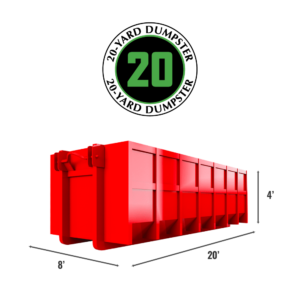
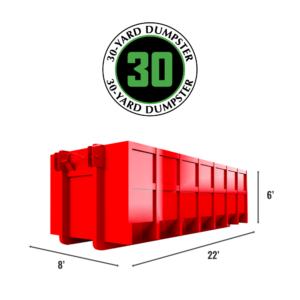
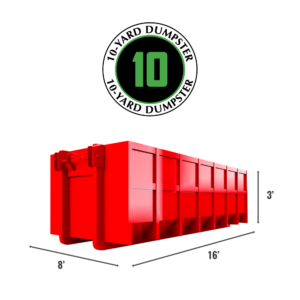
10-yard roll-off dumpster size and dimensions graphic20-yard roll-off dumpster size and dimensions graphic30-yard roll-off dumpster size and dimensions graphic

  • 10-yard: small cleanouts, garage declutter, minor remodel debris

  • 20-yard: roofing projects, medium remodels, basement cleanouts

  • 30-yard: large cleanouts, major remodels, bulky debris and construction waste

Dumpsters

Benefits for Minnesota Homes and Commercial Uses

Why Minnesota Homeowners Benefit

  • Seasonal cleanouts: Garage and basement cleanouts are easier when everything goes in one container—especially during winter or early spring when dump runs are unpleasant.
  • Remodel readiness: Kitchens, bathrooms, flooring, and drywall create bulky debris fast. A roll-off keeps materials contained so your home stays more livable during the project.
  • Storm and wind cleanup: Minnesota weather can drop branches, fencing, and exterior debris unexpectedly. A roll-off helps you reset your property quickly.
  • Heavy-material control: Concrete, dirt, and asphalt are best handled with the right dumpster size and a smart loading plan to avoid overloads.

High-Value Commercial Uses

  • Tenant turnover and property management: Replace flooring, remove old fixtures, and clear units faster with a consistent disposal solution.
  • Retail and office renovations: Keep your site tidy and reduce downtime by staging demolition and remodel debris in one place.
  • Construction and demolition debris: A roll-off supports safer material handling, better site organization, and simpler logistics.
  • Concrete and exterior work: If your project includes concrete replacement, pair debris hauling with experienced trade support (see Concrete services).

For local guidance on construction and demolition materials management, see Hennepin County’s resource on C&D waste and roll-off collection practices: Construction and demolition waste for contractors (Hennepin County).

Ideas for Dumpster Rental Uses

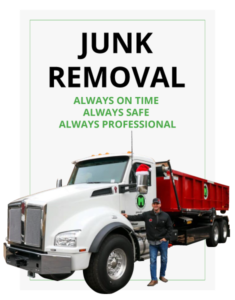
Roll Off Dumpster Rentals- Junk Removal

If you’re not sure whether your project “needs” a dumpster, a simple rule helps: if you’ll generate more debris than your weekly trash service can handle safely, Roll Off Dumpster rentals will simplify the job.

Common Residential Uses

  • Basement, attic, and garage cleanouts
  • Moving prep and downsizing
  • Estate cleanouts and inherited-property cleanup
  • Flooring removal (carpet, tile, laminate)
  • Bathroom or kitchen renovation debris
  • Roofing tear-offs and shingle disposal
  • Deck removal and exterior demo

Common Commercial and Contractor Uses

  • Interior demolition (non-structural) and remodel waste
  • Jobsite packaging, scrap, and build materials
  • Office reconfigurations and furniture disposal
  • Retail refreshes and fixture removal
  • Multi-unit cleanouts and recurring property work

Want to see real project examples and container setups? Browse the Gallery to match typical jobs with the right roll-off approach.

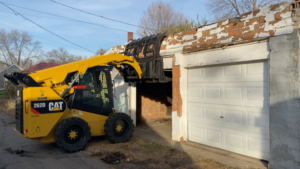
If your plan includes light demolition work (such as garages, steps, or driveways), explore the Demolition Services page for scope and next steps.

How Roll-Off Dumpsters Save Money and Time

Where the Time Savings Come From

  • No repeated dump runs: You avoid loading/unloading multiple times and eliminate travel time.
  • Fewer project slowdowns: Debris piles can stall work. A roll-off keeps the workspace usable.
  • Faster cleanup: End-of-day cleanup is quicker when waste goes directly into a container.

Where the Money Savings Come From

  • Lower labor cost: Fewer disposal trips usually means fewer paid hours for staff or crews.
  • Reduced vehicle wear and fuel: Dump runs add miles, fuel, and wear—especially with heavy loads.
  • Less risk: Cleaner sites reduce accident potential and help prevent damage to landscaping, driveways, and entrances.
  • Better planning: With a scheduled pickup, disposal becomes a predictable line item instead of an ongoing surprise.

Tip for maximum value: set up the dumpster where your workflow is shortest—near the exit point of the project area—while still allowing safe driveway access and clear paths for loading.

5-Star Google Review

“Made the switch from ‘the big guys’ to Patrick Miller and never looked back! My business operations are smoother with a partner like this. Fantastic service, friendly drivers, feels like you’re doing business with your family. Great people all around.”

— Nick S., Google Review (5 stars)

FAQ: Roll Off Dumpster Rentals

FAQ's Frequently Asked Questions (About Roll Off Dumpsters)

What size roll-off dumpster do I need?

Start with the type of debris and the project scope. Small cleanouts and dense/heavy materials often fit better in smaller containers, while remodels and construction debris typically require more volume. If you’re disposing of concrete, asphalt, or dirt, size selection matters even more because weight adds up quickly—call Patrick Miller Roll-Off Services to match the container to your material type and timeline.

How long can I keep the dumpster?

Most projects benefit from a rental window that matches your work schedule (weekend cleanout vs. multi-day remodel). The right approach is to plan delivery for the day you’re ready to load and schedule pickup after you finish. If your timeline changes, communicate early so your project stays on track and pickup timing remains smooth.

How quickly can you deliver a roll-off dumpster?

If you have an urgent cleanup or a project that starts sooner than expected, call the office as early as possible to discuss availability and scheduling. Short-notice rentals may be possible based on timing and route logistics.

Where should I place a roll-off dumpster at my home or jobsite?

Choose a flat, stable location with clear access for delivery and pickup. Keep the area free of overhead obstacles (wires, branches) and avoid soft ground that can rut. In winter, shovel and de-ice the drop zone first so the container sits level and loading stays safe.

Do I need a permit to place a dumpster on the street?

If the dumpster will sit on a public street or in a way that impacts traffic, many cities require a permit. Requirements vary by municipality in the Twin Cities metro. If you’re unsure, check with your city first. When in doubt, plan to place the dumpster on private property (like a driveway) where placement is typically simpler.

What can’t go in a roll-off dumpster?

Most roll-offs are meant for common household junk, construction debris, and demolition materials. However, hazardous materials and certain regulated waste streams may be restricted. If you have items like chemicals, paints, solvents, batteries, or other questionable materials, ask before loading so you avoid safety issues or disposal problems. For additional guidance, you can also review Patrick Miller’s hazardous materials guidance on the Hazardous page.

How do I avoid overage charges or overload problems?

Two best practices prevent surprises: (1) don’t fill above the rim, and (2) match heavy debris to the right size container. Load evenly from front to back to keep the container balanced. If you’re disposing of dense materials like concrete or dirt, discuss your plan ahead of time so weight stays within practical limits.

What’s the easiest way to keep my project moving while the dumpster is on-site?

Stage materials near the loading door and break down bulky items as you go. Assign one “dumpster lane” from the work area to the container so debris transport stays consistent. For businesses, consider scheduling deliveries around low-traffic hours so operations stay smoother.

Can Patrick Miller help if my project includes demolition and disposal?

Demolition Services

Yes—if your project includes light demolition elements such as garages, steps, or driveways, review the process on the Demo Services page and connect through the Contact page to discuss scheduling and requirements.

Ready to Simplify Your Next Project?

If you want a cleaner jobsite, fewer delays, and a more predictable cleanup plan, Roll Off Dumpster rentals are a practical upgrade for both homeowners and businesses. Contact Patrick Miller Roll-Off Services today to choose the right container size, schedule delivery, and keep your project moving.

Call 763.762.6392 or use the Contact page to request service. For examples of completed work and container setups, visit the Gallery.

Patrick Miller Roll Off Serices Logo

Published December 2025