
Demolition debris removal is the process of containing, hauling, and disposing of materials produced during tear-outs and removals. A reliable debris plan limits downtime, reduces hazards, and keeps the property usable while work continues. This tag covers disposal logistics, cleanup efficiency, and practical debris handling guidance.

Tag Archive for: Demolition Debris Removal

Commercial Dumpster Rentals Save Time and Money

Summary: Commercial Dumpster Rentals help business owners keep projects moving, protect jobsite safety, and reduce disposal costs by eliminating repeated dump runs and keeping debris contained. This guide explains when to rent a roll-off dumpster, how to choose the right size, and how to avoid common commercial cleanup delays.

Every commercial project creates waste. The difference between a smooth operation and a stressful one is how fast you move debris off-site. With the right roll-off, you keep the work area clear, reduce downtime, and simplify disposal planning.

If you already know the type of project you’re running, start on the
Dumpster Rentals page
and schedule service through the
Contact page.
If your scope includes teardown work, review
Demolition Services
to coordinate demolition and hauling in one plan.

Why Commercial Dumpster Rentals Deliver ROI
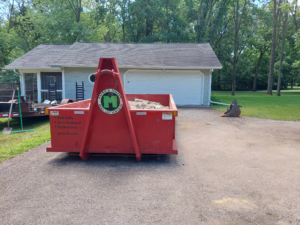
Commercial Roll off Dumpsters

1) Cleaner Jobsites Improve Productivity

Debris piles slow crews down. Workers spend time moving waste instead of completing billable tasks. A roll-off container creates one controlled disposal point so crews can work continuously.

2) Fewer Safety Risks and Better Site Control

Commercial debris often includes sharp edges, nails, broken masonry, and heavy materials. Keeping waste contained reduces trip hazards and helps maintain safer walkways, loading zones, and entrances.

3) Predictable Disposal Logistics

When disposal is scheduled, your timeline is easier to manage. That matters for contractors, property managers, and facility teams who must coordinate multiple trades.

For broader context on construction and demolition waste management, the U.S. EPA provides practical guidance:

EPA: Sustainable Management of Construction & Demolition Materials
.

Top Commercial Uses by Industry

Commercial Dumpster Rentals are not just for construction. They support day-to-day operational needs across many industries.

Roofing and Exterior Contractors

  • Shingle tear-offs and underlayment disposal
  • Decking replacement debris
  • Siding and trim removal
  • Storm-damage cleanup

Property Management and Real Estate

  • Tenant turnover cleanouts
  • Renovation debris from unit refreshes
  • Bulk disposal of flooring, cabinets, and fixtures

Retail, Office, and Facility Maintenance

  • Store remodels and fixture removal
  • Office cleanouts and reconfigurations
  • Warehouse and backroom cleanups
  • Seasonal purge and inventory disposal planning

Light Demolition and Site Prep

If your commercial project includes teardown, coordinate demolition and hauling together through
Demolition Services.
One plan reduces downtime and keeps sites cleaner throughout the project.

How Businesses Save Time and Money

Time Savings

  • Less travel time: eliminate repeated dump runs and landfill wait times.
  • Less handling: load waste once instead of moving it multiple times.
  • Fewer workflow interruptions: crews stay focused on production tasks.
  • Faster turnover: clean sites help inspections, punch lists, and transitions happen on schedule.

Money Savings

  • Lower labor cost: fewer paid hours spent hauling waste and cleaning scattered debris.
  • Reduced vehicle wear and fuel: dump runs add miles and maintenance costs.
  • Fewer preventable damages: controlled debris reduces risk to entrances, doors, and parking areas.
  • More predictable budgeting: disposal becomes a planned line item instead of a recurring surprise.

Tip: If your project is producing waste daily, plan for scheduled swaps. This keeps sites moving and prevents overflow risk. Use the
Contact page
to request a commercial schedule that fits your workflow.

Planning: Size, Placement, and Scheduling

Choose the Right Size for the Material Type

Commercial waste varies. Light debris may require more volume. Heavy debris requires weight-aware planning. If you’re disposing of dense materials like concrete, brick, or dirt, discuss the best approach before delivery.

Review container options on the
Dumpster Rentals page
and confirm your project details through the
Contact page.

Placement That Protects Operations

  • Keep customer entrances, loading docks, and fire lanes clear.
  • Plan for delivery access and turning radius.
  • Choose a flat surface to reduce shifting and loading issues.
  • Set up a debris lane so crews move waste efficiently without crossing traffic paths.

Scheduling That Prevents Overflow

Commercial projects often generate more debris than expected, especially tear-offs and remodels. If your timeline is tight, schedule delivery for the day work begins and set a pickup or swap plan early.

Compliance and Smart Waste Handling

Business owners benefit when disposal is compliant and consistent. The simplest way to avoid problems is to keep restricted materials out of the dumpster and confirm questionable items ahead of time.

For Minnesota guidance on waste and disposal categories, the Minnesota Pollution Control Agency is a useful reference:

MPCA: Waste
.If your project includes light demolition, coordinating through
Demolition Services
can help keep teardown and disposal aligned under one cleanup plan.

5-Star Google Review

“This company is amazing the price is so fair, the service is top shelf. Megan is ana amazing person to work with. The communication is so great. A must use 5 star company, what a blessing!”

— James the Roofer, Google Review (5 stars)

FAQ: Commercial Dumpster Rentals

FAQ's Frequently Asked Questions (About Roll Off Dumpsters)

What size roll-off dumpster is best for a commercial project?

The best size depends on volume, material type, and how quickly debris will accumulate. Light demolition and remodel debris often needs more volume. Dense materials like concrete need weight-aware planning. Share scope details through the
Contact page
so you can match the container to your job.

How can a business avoid downtime caused by debris overflow?

Plan delivery for the project start date and schedule pickups or swaps before the container is full. If debris is generated daily, a swap plan often keeps crews moving and prevents cleanup from becoming the bottleneck.

Where should a roll-off dumpster be placed at a commercial site?

Choose a flat area with clear access for delivery and pickup. Keep fire lanes, entrances, loading docks, and customer parking clear. Consider traffic flow so the container does not interrupt operations.

What materials are commonly restricted from commercial dumpsters?

Hazardous or regulated materials typically require special handling. If you have questionable items, confirm before loading. This helps prevent delays and supports safe, compliant disposal planning.

Do commercial dumpsters help contractors like roofers and remodelers?

Yes. Contractors often save time by loading debris once and eliminating repeated dump runs. A roll-off supports faster cleanup, safer sites, and smoother schedules.

Can Patrick Miller coordinate demolition and hauling for commercial jobs?

For projects that include teardown work, coordinate through
Demolition Services.
Combining demolition and roll-off disposal in one plan keeps the site cleaner and helps reduce delays.

How do I schedule Commercial Dumpster Rentals with Patrick Miller Roll-Offs?

Start on the
Dumpster Rentals page
and then request scheduling through the
Contact page.
Include your project start date, debris type, and location so the team can recommend the best setup.

Ready to Reduce Downtime and Control Cleanup Costs?

Commercial Dumpster Rentals keep your site cleaner, your crews more productive, and your schedule more predictable. Patrick Miller Roll-Offs can help you choose the right container, plan placement, and build a pickup or swap schedule that fits your operation.

Review options on the Dumpster Rentals page,
explore Demolition Services for teardown projects,
and request scheduling through the Contact page.

Contact Patrick Miller Roll-Offs today and keep your commercial project moving.

Patrick Miller Roll Off Serices Logo

Published April 2026

Guide to Selecting a Roll Off Dumpster Rental

Summary: This guide to roll off dumpster rental walks homeowners and businesses through choosing the right size, planning placement, loading safely, and avoiding common extra fees—so your cleanup stays fast, organized, and cost-effective.

Guide to Roll Off Dumpster Rental: How to Choose the Right Fit

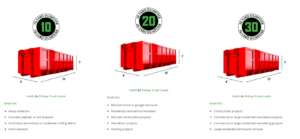
Roll-off dumpster size cheat sheet showing 10, 20, and 30 yard containers and common project uses

Use this simple decision path to choose correctly on the first try:

  1. Define the debris type. Household junk, remodeling debris, roofing, yard waste, or heavy material like concrete.
  2. Estimate volume. Think in “pickup loads” or how many rooms you’re clearing.
  3. Check weight risk. Heavy materials can fill a container long before it looks “full.”
  4. Confirm access and placement. Driveway width, overhead lines, tight turns, and surface protection.
  5. Pick a timeline. Weekend cleanout, multi-day remodel, or ongoing jobsite with swaps.

For contractor work that combines teardown and haul-away, you may also want the Demolition Services option alongside a roll-off container.

Dumpster Sizes and Best-Fit Projects

Most roll-off rentals fall into a few common “project fit” buckets. Your best match depends on both volume and material density.

Small to Mid-Size Cleanouts and Remodel Debris

  • Best for: garage cleanouts, basement cleanouts, small remodeling, flooring removal, light construction debris
  • Why it works: enough space for bulky items without overcommitting on capacity

Large Cleanouts and Construction-Style Waste

  • Best for: estate cleanouts, major room renovations, deck removal, jobsite debris
  • Why it works: higher volume helps reduce multiple hauls

Concrete and Heavy Materials

  • Best for: broken concrete, brick, block, dirt, asphalt
  • Why it works: you need a plan that respects weight limits and safe transport

Tip: If your debris is heavy, choose the container based on weight first, not how “full” it might look. When in doubt, contact the team before loading. Use the Contact page to confirm your material type and project scope.

Helpful, non-competitor references on disposal and debris types:
EPA: Sustainable Management of Construction & Demolition Materials and
OSHA: Safety and Health Management.

Placement Tips for Homes and Jobsites

truck placing dumpster at a residential area

Good placement prevents property damage and makes loading faster. Plan for delivery access and daily workflow.

For Homeowners

  • Choose a flat surface: driveways work well when access is clear.
  • Protect your space: ask about best practices for surface protection if you have decorative concrete or pavers.
  • Keep it convenient: place it close to the exit point of the project area, not across the yard.
  • Watch overhead clearance: avoid wires and low branches.

For Businesses and Contractors

  • Place for traffic flow: avoid blocking deliveries, entrances, and customer parking.
  • Create a “dump lane”: a clear path from work area to container cuts cleanup time.
  • Plan swaps for ongoing jobs: keep production moving without debris pile-ups.

If your job includes structural removal, pair your roll-off plan with the Demolition Services page so you can coordinate access, staging, and hauling together.

How to Load for Safety and Value

Smart loading prevents accidents, keeps hauling safe, and reduces the chance of overage charges.

Loading Best Practices

  • Load evenly: distribute weight front to back and side to side.
  • Keep debris below the rim: overfilled containers can delay pickup or require rework.
  • Break down bulky items: doors, cabinets, and furniture stack better when flattened.
  • Separate restricted items: don’t “hide” questionable materials in the middle of the load.
  • Start with heavy items: place them low, then stack lighter debris above.

For guidance on what may require special handling, review your local county or state waste resources. Minnesota homeowners often find state and county guidance useful when sorting questionable items:
Minnesota Pollution Control Agency: Waste.

Need help deciding what belongs in the container? Use the Contact page and list the materials you plan to dispose of.

Scheduling, Swaps, and Project Timing

Your rental is smoother when delivery and pickup match your work schedule. The goal is to load continuously and avoid letting debris stall the project.

When a “Swap” Makes Sense

  • Concrete and heavy materials: containers can reach safe weight limits quickly.
  • Active job sites: multiple crews generate waste fast.
  • Commercial cleanouts: you want minimal downtime and clear walkways.

To explore container options and typical use cases, visit the Dumpster Rental page. If you need demolition paired with hauling, start with Demolition Services.

5-Star Google Review

“FABULOUS: On time, Courteous drivers, Quick turn around. Megan (phone contact) was pleasant and EFFICIENT. USE THIS COMPANY! We had 12 yard container for concrete that was ‘swapped’ out daily.”

— Jacki, Google Review (5 stars)

FAQ: Guide to Selecting a Roll Off Dumpster Rental

FAQ's Frequently Asked Questions (About Roll Off Dumpsters)

What size roll-off dumpster should I rent for my project?

Choose based on both debris volume and debris type. Household junk and remodel debris usually need more volume, while concrete and dirt need weight-aware planning. If you’re unsure, share your project description and photos through the Contact page so the team can recommend the best fit.

How do I avoid extra fees with a roll-off dumpster rental?

Three rules prevent most surprises: keep debris below the rim, avoid restricted materials, and match heavy materials to the right container plan. Load evenly and do not exceed safe fill height. Ask about any items you’re unsure of before you load them.

Can I put concrete or heavy debris in a roll-off dumpster?

Yes, but heavy debris requires the right approach. Containers can reach weight limits quickly, even when they don’t look “full.” For concrete projects, a smaller container with swaps can be more efficient than one large overloaded container.

Where should I place the dumpster at my home or business?

Place it on a flat, stable surface with clear access for delivery and pickup. Keep overhead areas clear of wires and branches. For businesses, consider customer traffic and delivery routes so the container does not block operations.

Do I need a permit to place a dumpster on the street?

Often, yes. Permit requirements vary by city and placement location. If the container sits on a public street or impacts traffic, many municipalities require a permit. When possible, place it on private property to simplify logistics.

How long can I keep a roll-off dumpster?

Rental timing depends on your project. Weekend cleanouts often need a shorter window, while remodels may need more time. The best plan is to schedule delivery when you’re ready to load and schedule pickup as soon as you’re finished.

What projects pair well with roll-off dumpster rental?

Cleanouts, remodeling, roofing, landscaping debris, contractor jobsites, and property turnover all fit well. If the project includes teardown or structure removal, consider coordinating with Demolition Services for a single cleanup plan.

How do I get started with Patrick Miller Roll-Offs?

Start by reviewing container options on the Dumpster Rental page, then request scheduling through the Contact page. Provide your material type, scope, and ideal timeline for the fastest response.


Ready to Book the Right Dumpster the First Time?

Skip the guesswork and keep your cleanup moving. Patrick Miller Roll-Offs can help you match the right container to your debris type, timeline, and site access.

Start on the Dumpster Rental page,
review add-on options on the Demolition Services page,
and then schedule delivery through the Contact page.

Call today to lock in your delivery and keep your project on track.